What Is a Ceilidh?
A Gaelic word for a visit became the name of Britain's friendliest dance night, where a caller teaches every step as it happens.
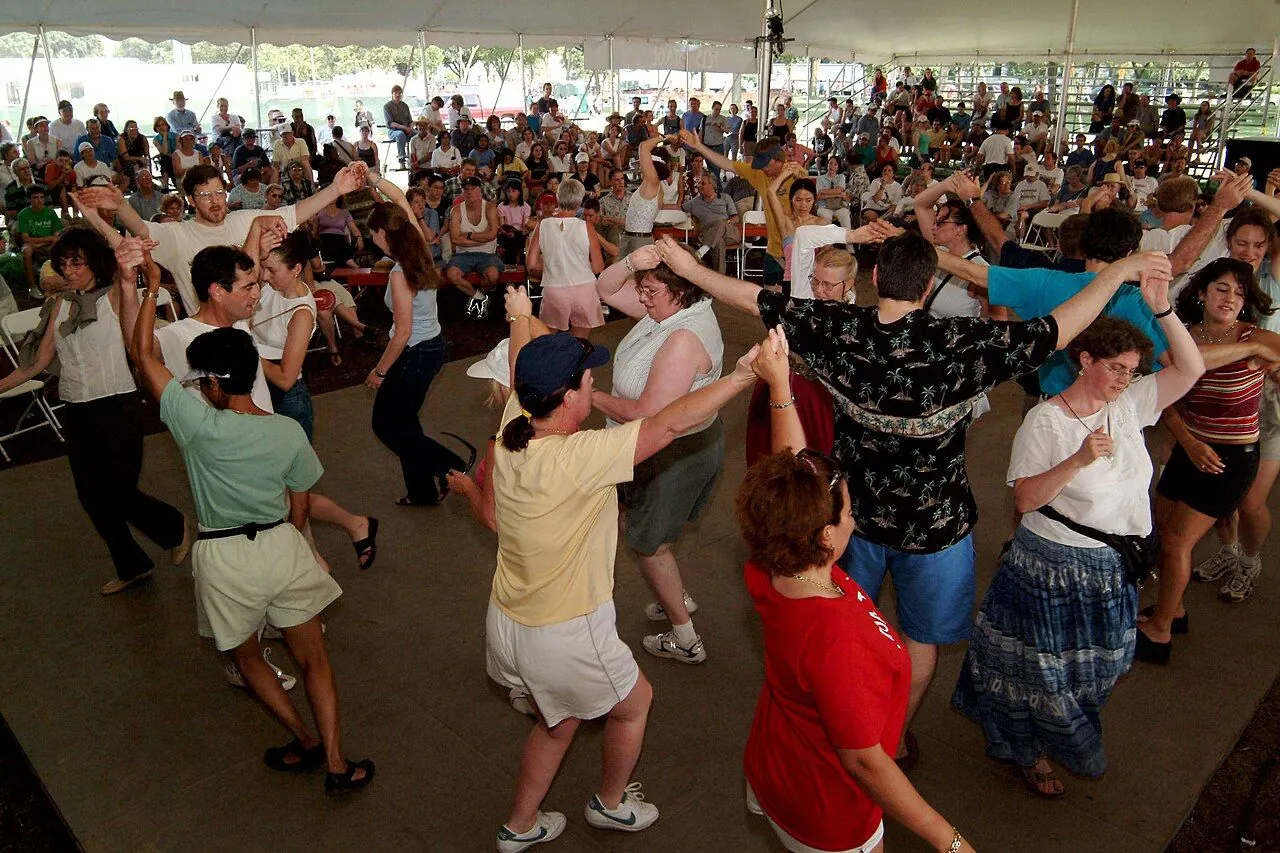
A ceilidh (pronounced "kay-lee") is a social dance with live folk music, where a caller teaches each dance on the spot, so anyone can join in without a partner or any previous experience.
What a ceilidh is
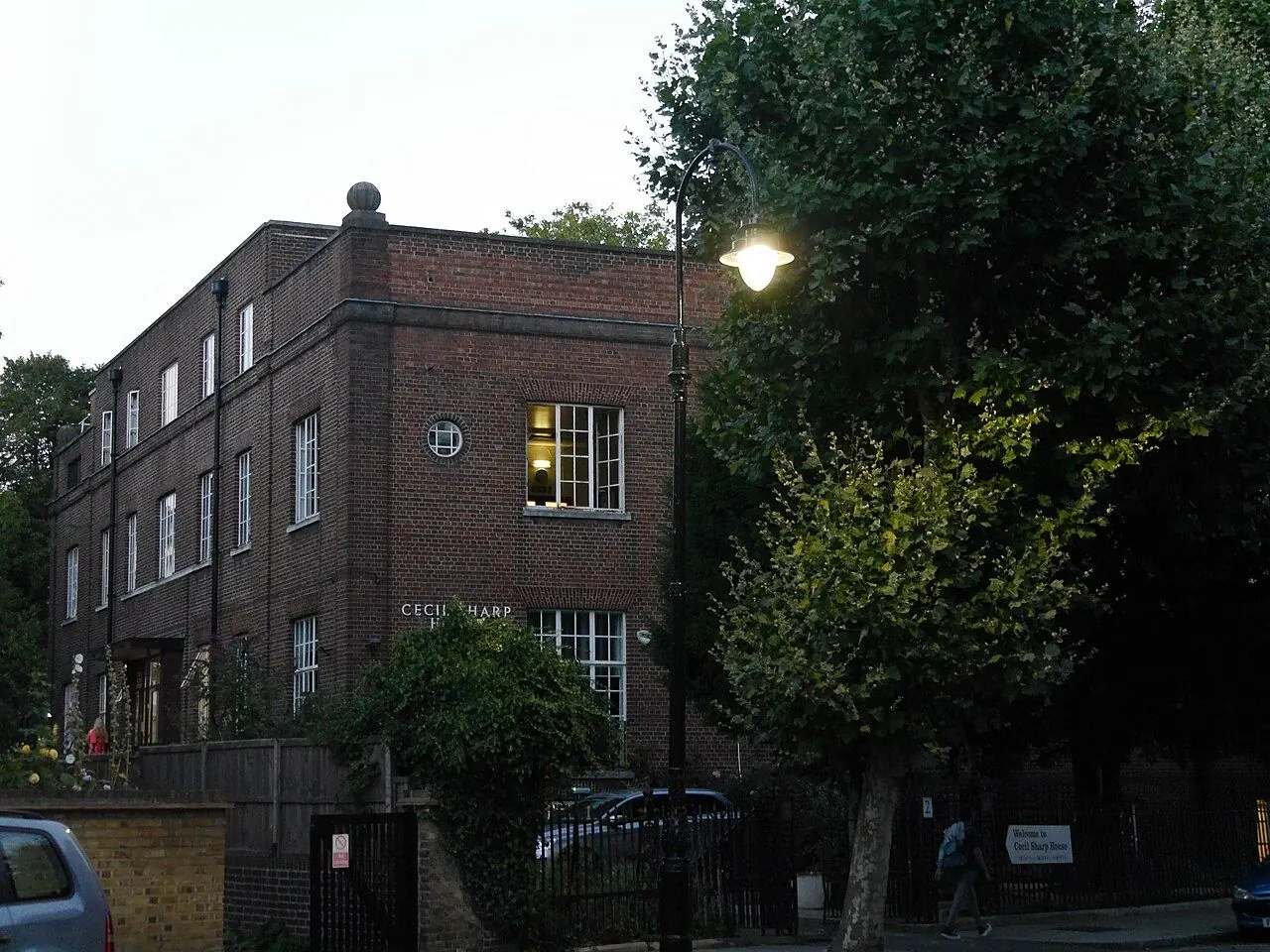
The English Folk Dance and Song Society (EFDSS) describes a ceilidh as a traditional social dancing event for everyone to enjoy. Unlike formal dances and performances, ceilidhs are participatory: the dancers are the point, not an audience. They are held in school and village halls or under a marquee, and are a regular feature of weddings, festivals and community celebrations because new dancers can pick them up so easily.
The word is Gaelic, and the EFDSS notes that it is now used throughout Britain and Ireland. In Gaelic it means a visit, and it originally described an evening gathering at a neighbour's house for talk, songs, music and stories. Over time the meaning widened to the dance events known today. In England, the same kind of evening may also be advertised as a barn dance or a country dance; the EFDSS lists country, barn, Playford and ceilidh dancing among the terms for English social dance.
How the dancing works
At a ceilidh, dancers are arranged in sets and formations, and a caller teaches each dance and prompts the dancers as they move to the music. The caller walks the room through the figures before the band starts, then calls out what is coming next, so even people who have never danced before can follow along.
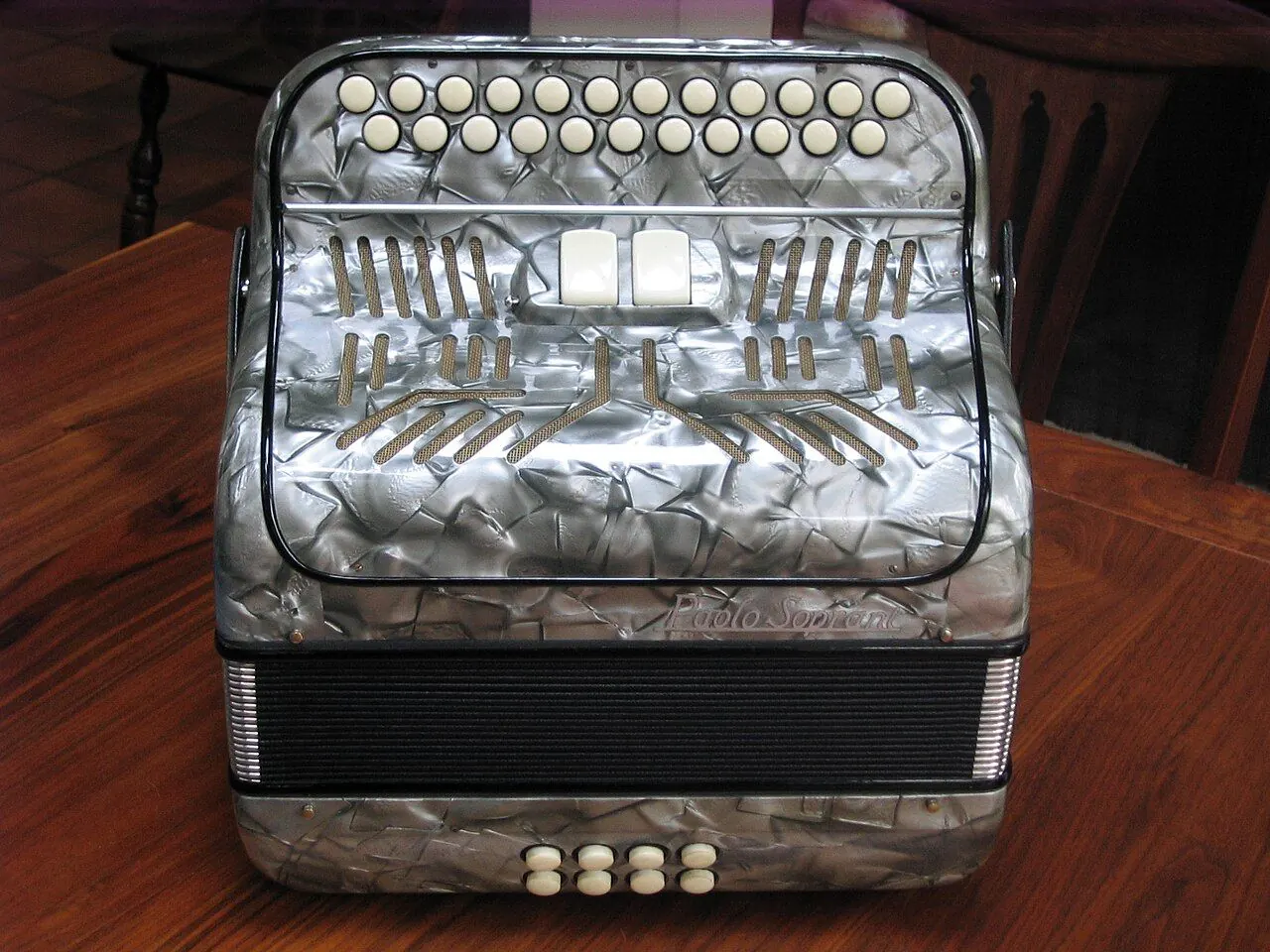
The band plays live folk music, usually fast and cheerful, and repeats the tune until the dance has run through enough times. The EFDSS says its ceilidhs are easy to join in with and suitable for all levels of experience, and encourages people to come with friends or on their own. Partners change often during an evening, which is a large part of the fun.
Dances vary by region and by band. At Scottish-style ceilidhs, the Gay Gordons, the Dashing White Sergeant and Strip the Willow are among the best known, and VisitScotland chose exactly those three for its own interactive ceilidh guide. English ceilidhs draw on a wider stock of English country and barn dances, taught by the caller in the same way.
Going to your first one
There is no dress code at most ceilidhs beyond what the occasion demands. Comfortable clothes and flat shoes that allow quick turns make sense, because the dancing is energetic and the room gets warm. Mistakes are expected, and the caller will usually bring a confused set back into line.
Ceilidhs are listed by local folk clubs, village halls and festivals, and the EFDSS publishes an online calendar of folk dance events in England, submitted by independent organisers. Check the organiser's own page for the details before setting out.
A ceilidh is designed for newcomers: the caller teaches every dance and the music carries the room, so the only real requirement is a willingness to get up and join in.