Folk Session Etiquette Explained
The unwritten rules of the English pub session, from who starts a tune to why a lone singer is best left unaccompanied.

Pub folk sessions in England welcome newcomers, but the ones who fit in best listen first, join quietly on tunes they already know and follow the room's lead on volume, turns and recording.
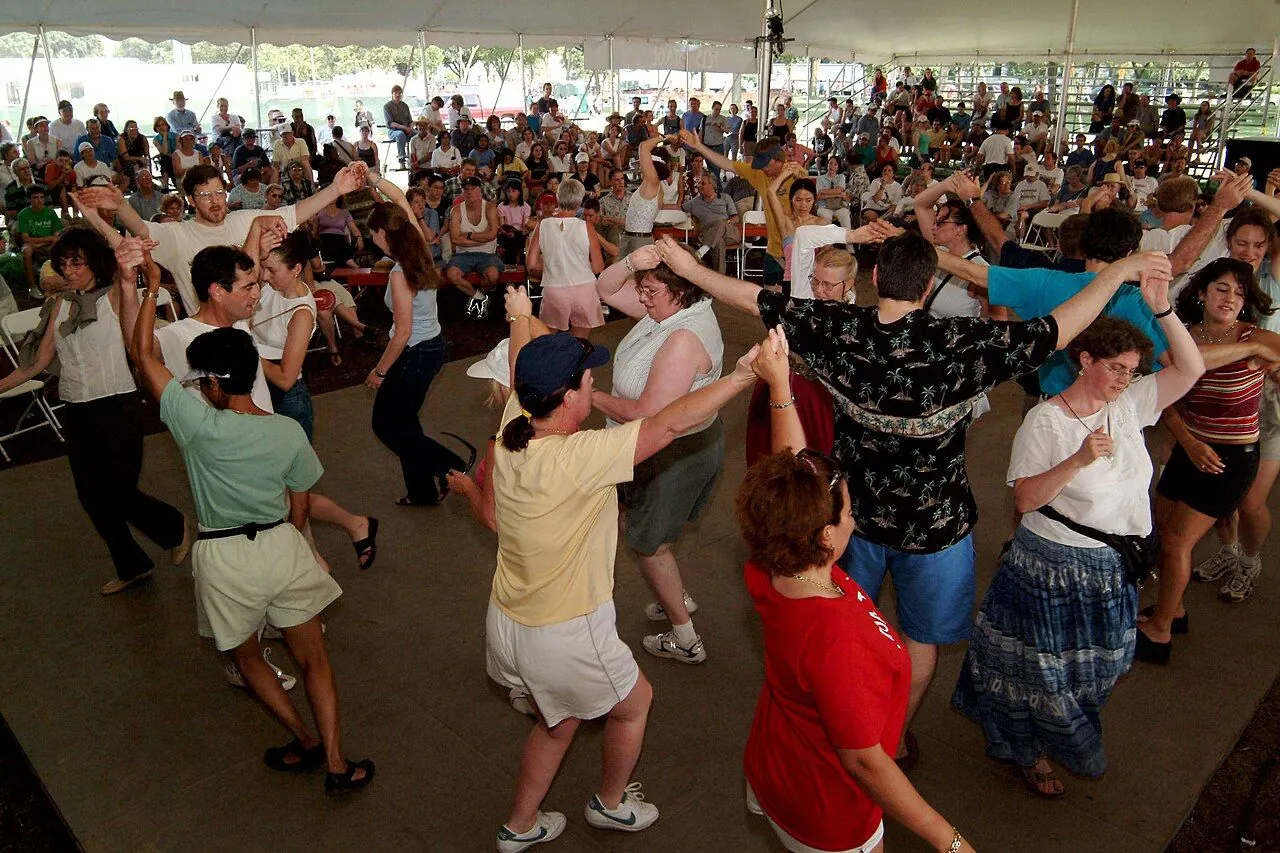
English pubs have long served as the venues for informal folk music sessions, which usually feature players of various traditional instruments. While individual sessions will feel unique, knowing some key points of etiquette helps newcomers join the sound without disrupting it.
Session Types and Who Leads
Sessions tend to be held in pubs and usually focus on instruments rather than singers, according to Folk London's folk FAQ. A single musician starts a tune, other musicians join in, and everyone keeps to the speed set by whoever started it. A change of tune is signalled by a nod or a leg wave, and it is considered bad form to start two sets in a row, because that leaves no room for quieter players.
Not every gathering is a tune session. At a singaround, people sit in something like a circle and sing, play or recite in turn; at a singers' night, an MC chooses who performs next. Where it is not clear how turns work, Folk London's advice is to ask the organiser or the person sitting alongside.
How to Join Without Spoiling the Room
Even a session that feels like a free-for-all has some implicit rules, which may not be spelled out, even by the most established groups. Before joining, visitors should sit back and listen for a while, the folk session etiquette guide from Mud Chutney says. That gives a newcomer a feel for the group's norms, including its starting and finishing cues and its attitude to recording.
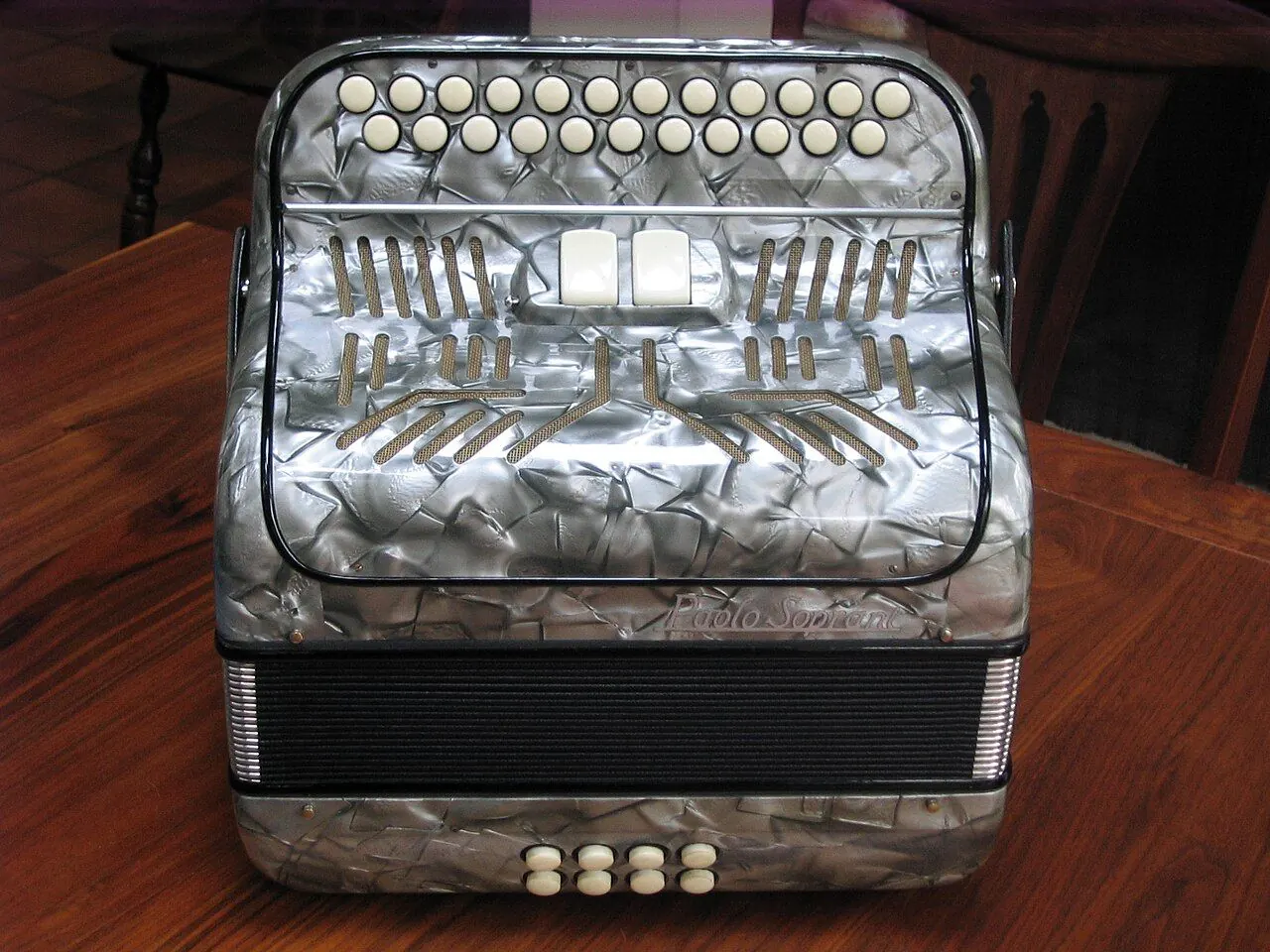
When ready to play, the newcomer should join in quietly, and only on tunes already half known; new tunes are best learned at home, not mid-session. Loud instruments such as pipes or bodhrán need particular care and should not be seated beside quiet ones such as the mandolin. Music stands and open tune books are generally frowned upon, although a small crib sheet used discreetly is usually tolerated.
The same guide asks players never to record a session without asking first, not to noodle on an instrument between sets, and to put the instrument down now and then simply to enjoy what others play.
Songs, Tunes and Turn-Taking
Unaccompanied singers should be left unaccompanied. Folk London's FAQ calls it bad manners to join in uninvited on an instrument, because a player's pace and pitch may not suit the singer's. Joining the chorus is a different matter and is usually welcome, while conversation should wait until the end of the song or tune.
Local folk clubs, regional folk listings and the pub itself are the usual ways to find a session, and each one has its own customs. The safest newcomer is a quiet, attentive player who follows the local cue and does not assume permission.