English May Day Traditions
Floralia, Beltane, Puritan bans and Victorian makeovers all left their mark on the spring customs still kept in English towns and villages.
May Day in England is a loose bundle of local customs rather than one ritual: the maypole, the May Queen, Jack-in-the-Green, hobby horses and morris dancing at dawn. The first Monday in May is usually also the Early May bank holiday, and many towns now hold their celebrations on that day or the nearest Saturday.
Where May Day comes from
For centuries May Day marked the end of winter and was one of the major festivals of the rural year, with music, dancing and games. The English Folk Dance and Song Society (EFDSS) points to two old strands: the Roman Floralia, a festival for Flora, goddess of fruit and flowers, and the Celtic Beltane on the eve of May Day, when bonfires were lit to welcome the growing season. The Puritans condemned the whole business as sinful, and much of what people now picture as a traditional May Day was reshaped by the Victorians into a gentler event for children.
The core customs
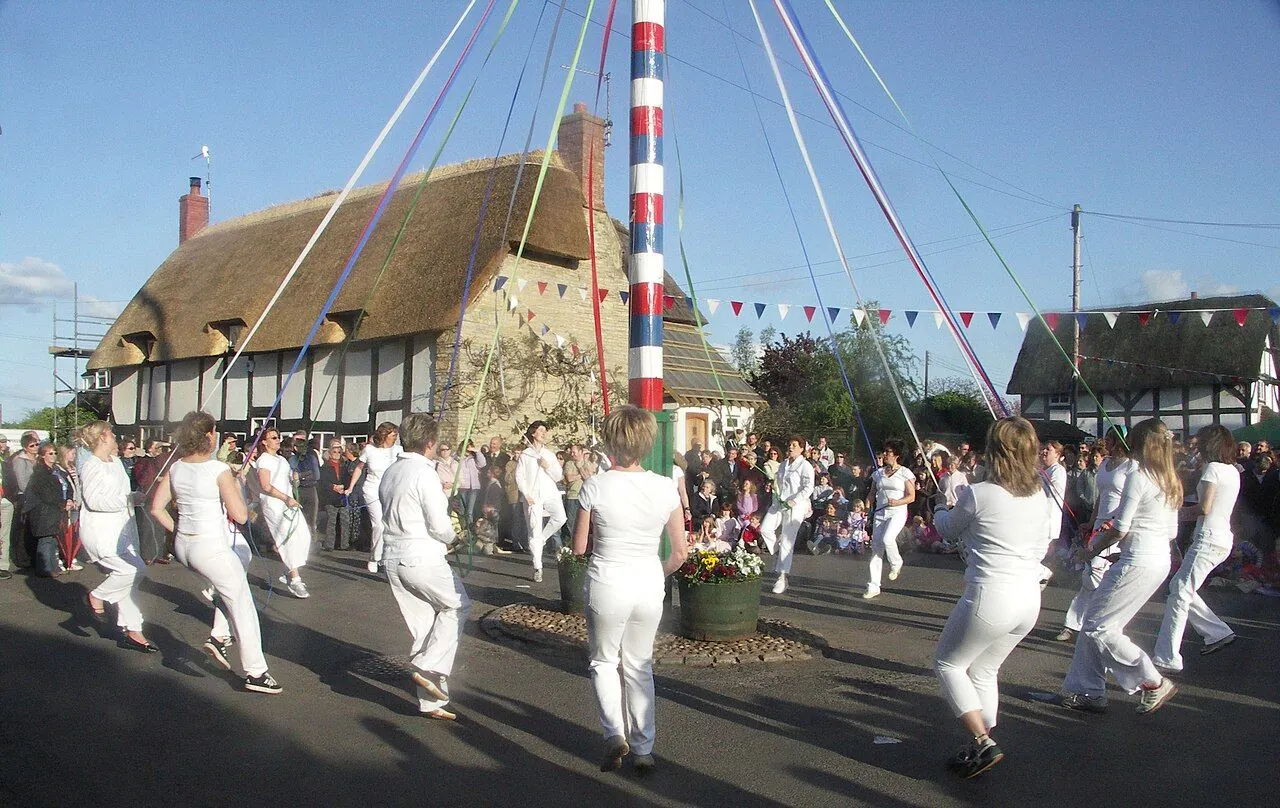
- The maypole. Traditionally a tall, straight tree was cut down on May morning, stripped of most of its branches and carried into the centre of the community with ceremony. The children's dance with plaited ribbons is younger than it looks: EFDSS dates it only to the 19th century. Some villages keep permanent poles, including Barwick-in-Elmet near Leeds and Welford-on-Avon in Warwickshire.
- The May Queen. A crowned girl, often with a May King, is central to most modern May Days; the Victorian schoolgirl queen replaced earlier May Kings. Knutsford in Cheshire has held its Royal May Day since 1864.
- Jack-in-the-Green. A man completely covered in a frame of leaves who leads a procession, usually with morris dancers. Hastings, Rochester and Whitstable are among the towns where he appears around the May bank holiday.
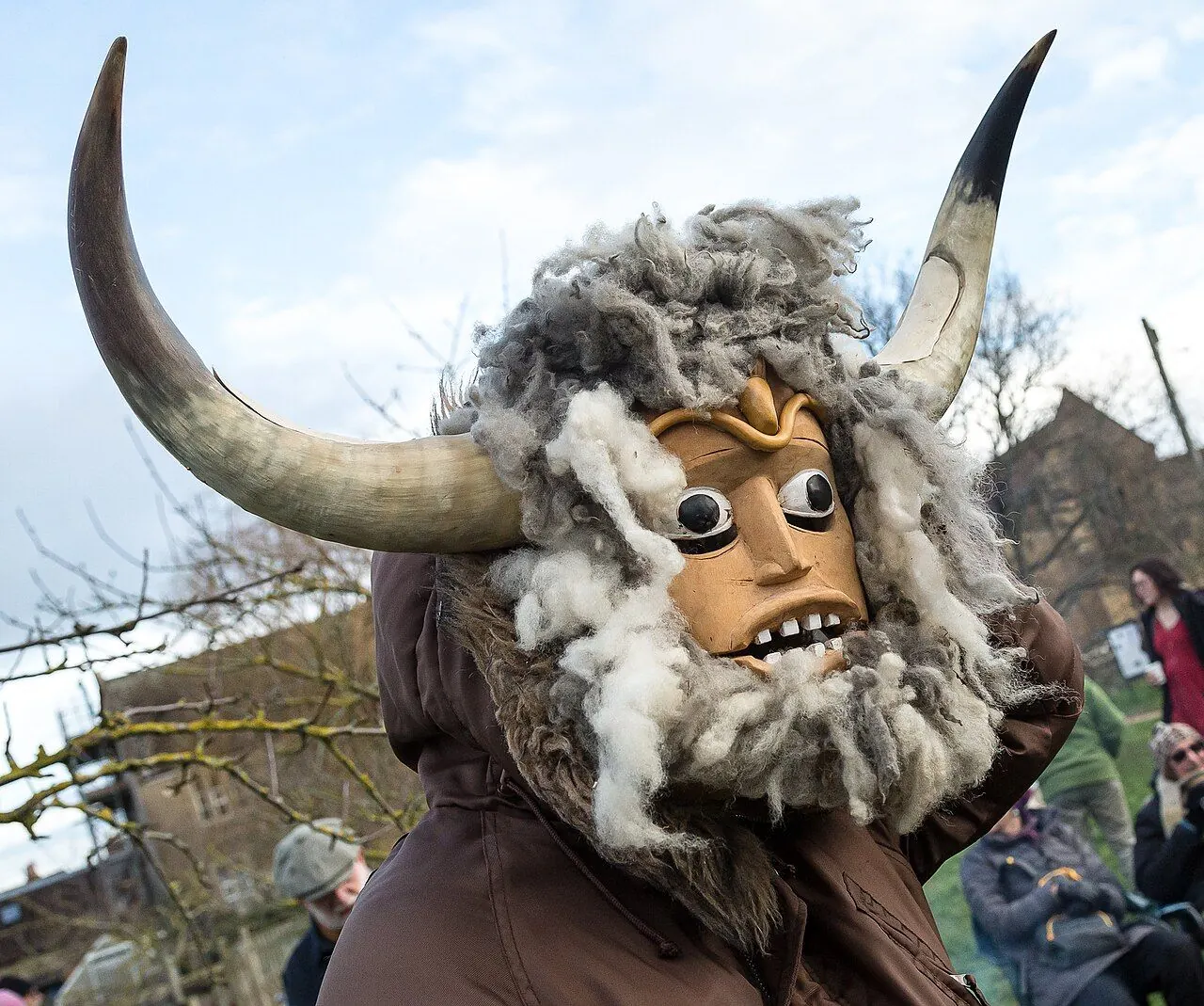
- Hobby horses. On May Day in Padstow, Cornwall, two 'Obby 'Osses, the Old 'Oss and the Blue Ribbon 'Oss, are danced through the streets all day to accordions, drums and singing. At Minehead in Somerset, the Sailor's Hobby Horse appears at dawn on 1 May.
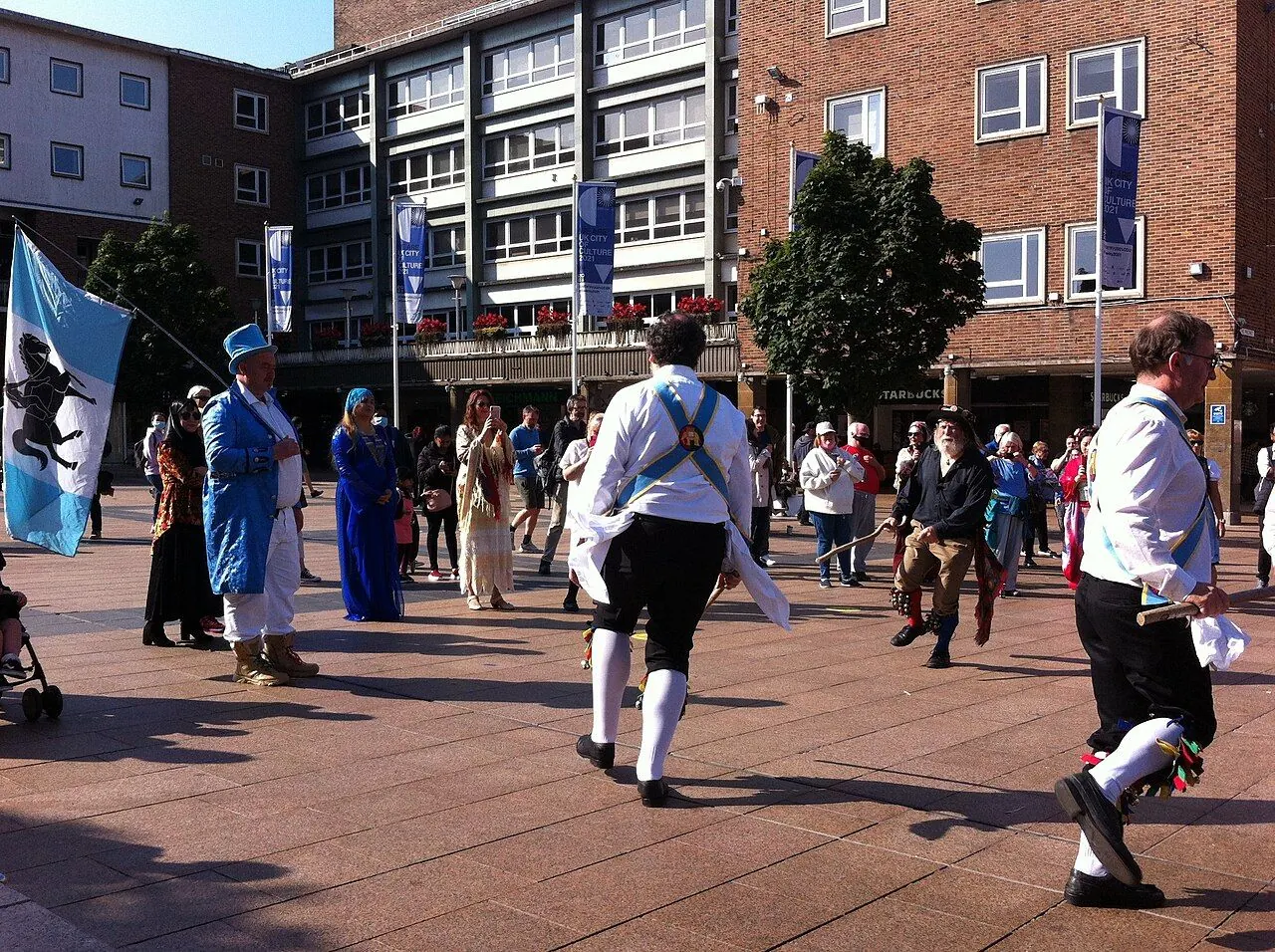
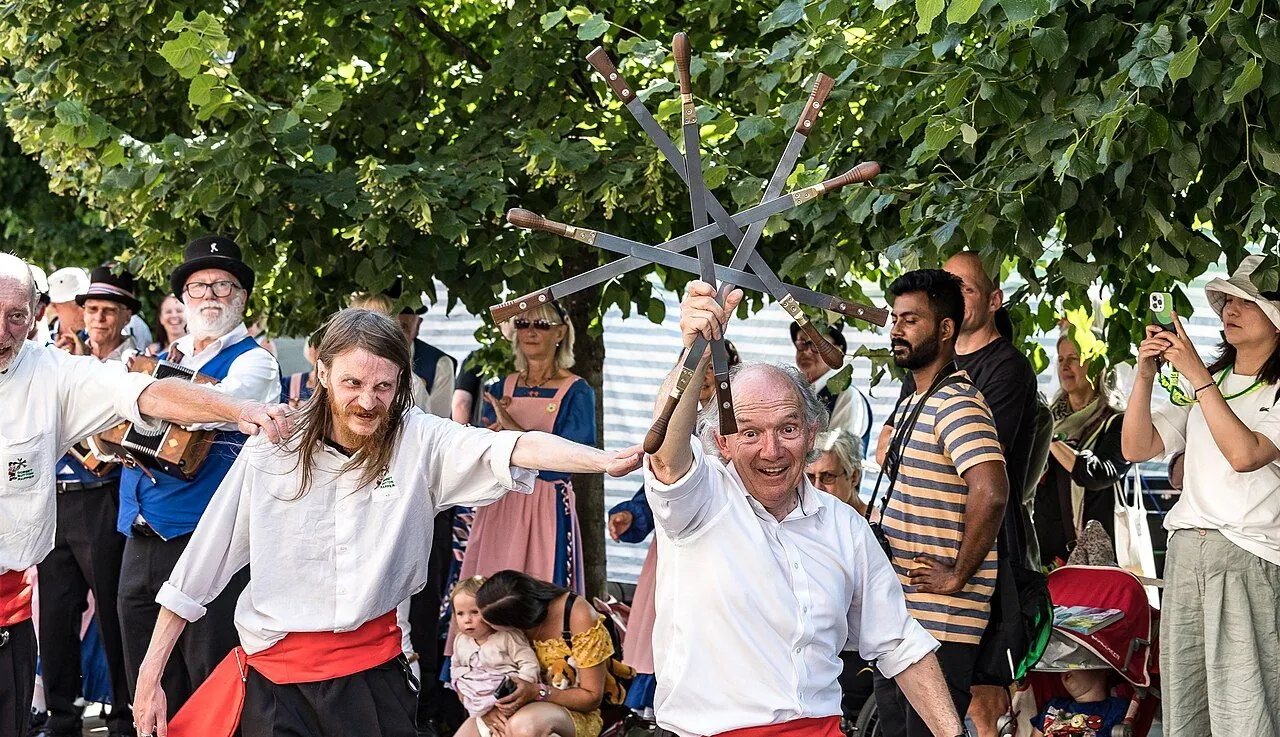
- Morris at dawn. In Oxford, choristers sing from Magdalen Tower early on May morning, a custom begun in 1509, and morris dancers fill the streets afterwards. In many other places morris sides dance the sun up at dawn.
Where to see May Day today
Other survivals are smaller and very local. At Charlton-on-Otmoor in Oxfordshire, children carry garlanded crosses to church on May Day, and at Abbotsbury in Dorset children carry flower garlands around the village on 13 May. Older habits, such as washing the face in May morning dew for a good complexion, appear in Samuel Pepys's diary.
The surviving May customs are local and uneven, not one national ceremony, and dates can shift between 1 May, the bank holiday and the nearest weekend. Families looking for a May Day should check the local council, the town's own May Day committee or the morris side's website before setting out, and should be ready for an early start if the plan is to see the dancers at sunrise.