What Are Child Ballads?
A Harvard scholar's numbered list of 305 old story-songs became the reference point for ballad singers on both sides of the Atlantic.
The Child Ballads are the 305 traditional English and Scottish ballads gathered by the American scholar Francis James Child in The English and Scottish Popular Ballads, published between 1882 and 1898, and many of them are still sung today.
What the Child Ballads are
Child was born in 1825 and spent his career at Harvard, and he devoted decades to gathering ballad texts and studying their origins. His collection appeared in ten parts from 1882 to 1898, bound in five volumes. Child died in 1896 before the work was finished; the final part was completed by his student and successor, George Lyman Kittredge.
Child gave each of his 305 ballads a number and printed its known variants under that number, lettered A, B, C and so on. That numbering has stuck. Singers, sleeve notes and song indexes still refer to "Child 84" or "Child 39", and the number pulls together versions of a song that may be known by quite different titles.
What makes a traditional ballad
A traditional ballad is a narrative song: it tells a story, usually in short stanzas, often in ballad metre, with four-line verses alternating longer and shorter lines. The stories tend to start in the middle of the action and move by dialogue and repetition rather than description. Murder, jealousy, doomed love and the supernatural are recurring themes.
Three well-known examples show the range:
| Ballad | Child number | Roud number | The story in brief |
|---|---|---|---|
| Barbara Allen | 84 | 54 | A young man dies of love for a woman who scorned him, and she dies of grief soon after |
| The Twa Sisters | 10 | 8 | A jealous sister drowns her younger sibling, whose body is turned into a musical instrument |
| Tam Lin | 39 | 35 | A young woman rescues her lover from the Queen of the Fairies in the Scottish Borders |
From the collection to the living tradition
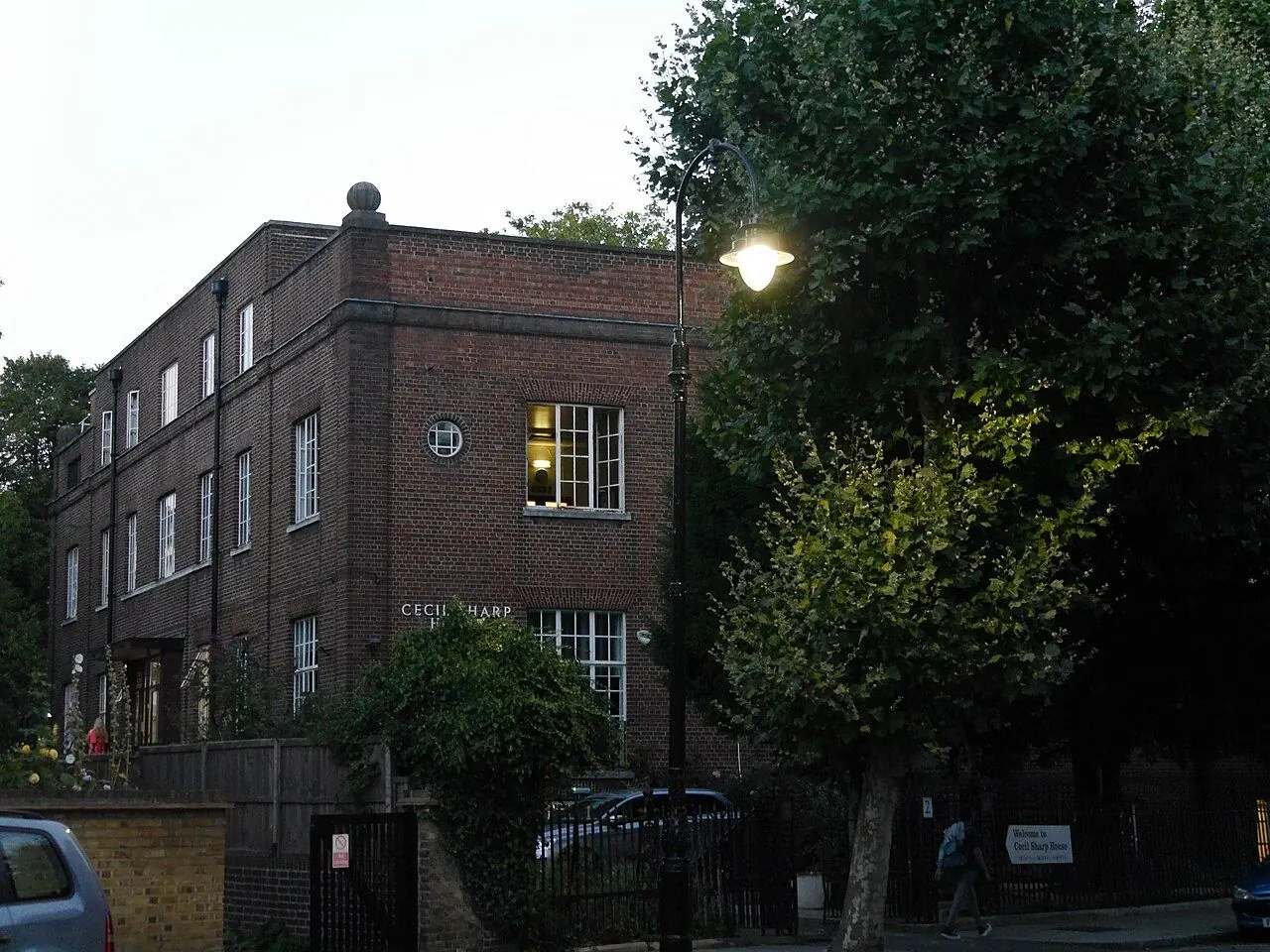
Child worked largely from manuscripts and printed sources, so his collection is essentially one of words rather than tunes. The collectors who followed him went out to hear the songs sung. Cecil Sharp, the best known of them in England, travelled to the Southern Appalachian Mountains of the United States with Maud Karpeles between 1916 and 1918. Working in communities with roots in Britain, they found many ballads that Child had printed from British sources still in everyday use, often with fine tunes.
The link between Child's list and later collecting is made by the Roud Folk Song Index, devised and compiled by Steve Roud and hosted by the Vaughan Williams Memorial Library (VWML) of the English Folk Dance and Song Society. The index is an online database designed to help people find English-language traditional songs from all over the world, and it gives each song a Roud number so that versions can be found whatever their titles. The Child ballads appear in it alongside thousands of songs that Child never saw.
For readers who want to go further, the VWML online archive at archives.vwml.org lets anyone search the Roud indexes and many digitised collectors' manuscripts, including material from Sharp's Appalachian journeys. Child's volumes are widely available in reprint and in free digital editions, and folk clubs and singarounds remain the best place to hear the ballads sung.