Morris Dancing Explained
Bells, sticks, clogs and handkerchiefs belong to different regional traditions that have shared the name morris for more than five centuries.
Morris dancing is an energetic English folk dance performed to live music by groups called sides, but it is not one uniform tradition: it is a family of regional dances with different steps, kit and histories.
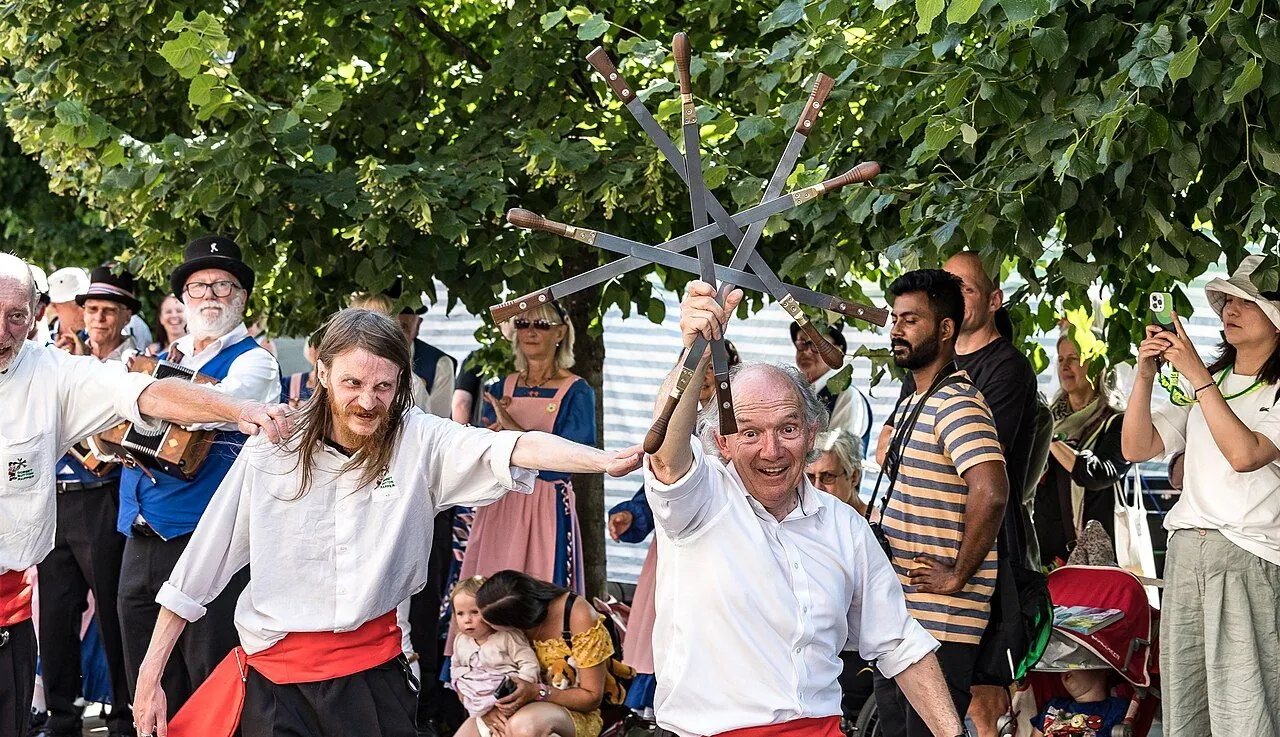
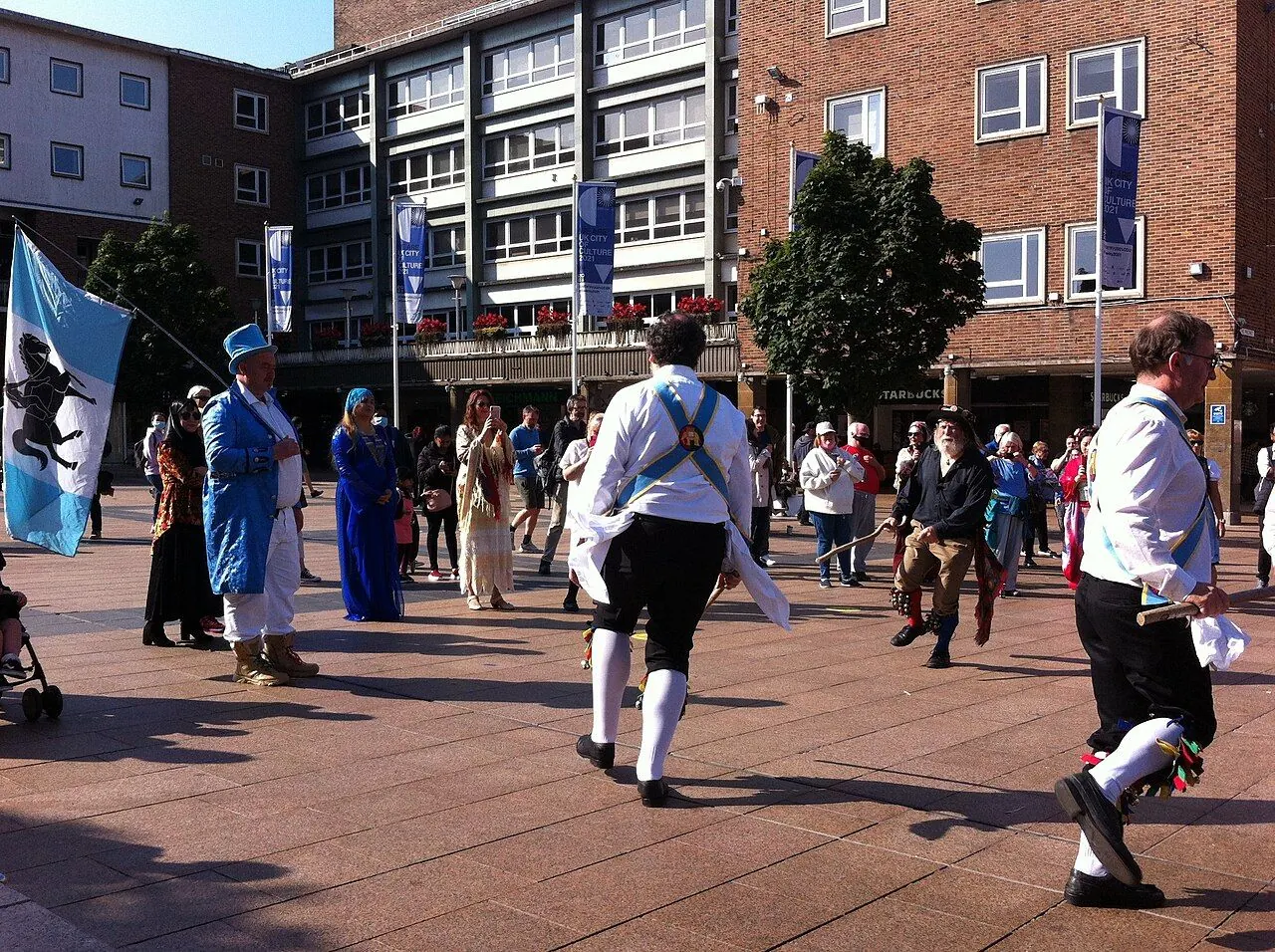
The English Folk Dance and Song Society (EFDSS) describes morris as an energetic, buoyant form of English folk dance performed to lively music in groups, or "sides". The styles share a basic structure: they are danced in sets, usually of six or eight dancers, with a combination of figures and, usually, a repeated chorus. The dancers are accompanied by live musicians playing traditional tunes, and many wear bells strapped to their shins.
The main styles of morris
The EFDSS identifies four major styles:
| Style | Where it comes from | What to look for |
|---|---|---|
| Cotswold | Villages of the south Midlands, each with its own dances | The style most people picture: bells, sticks and handkerchiefs |
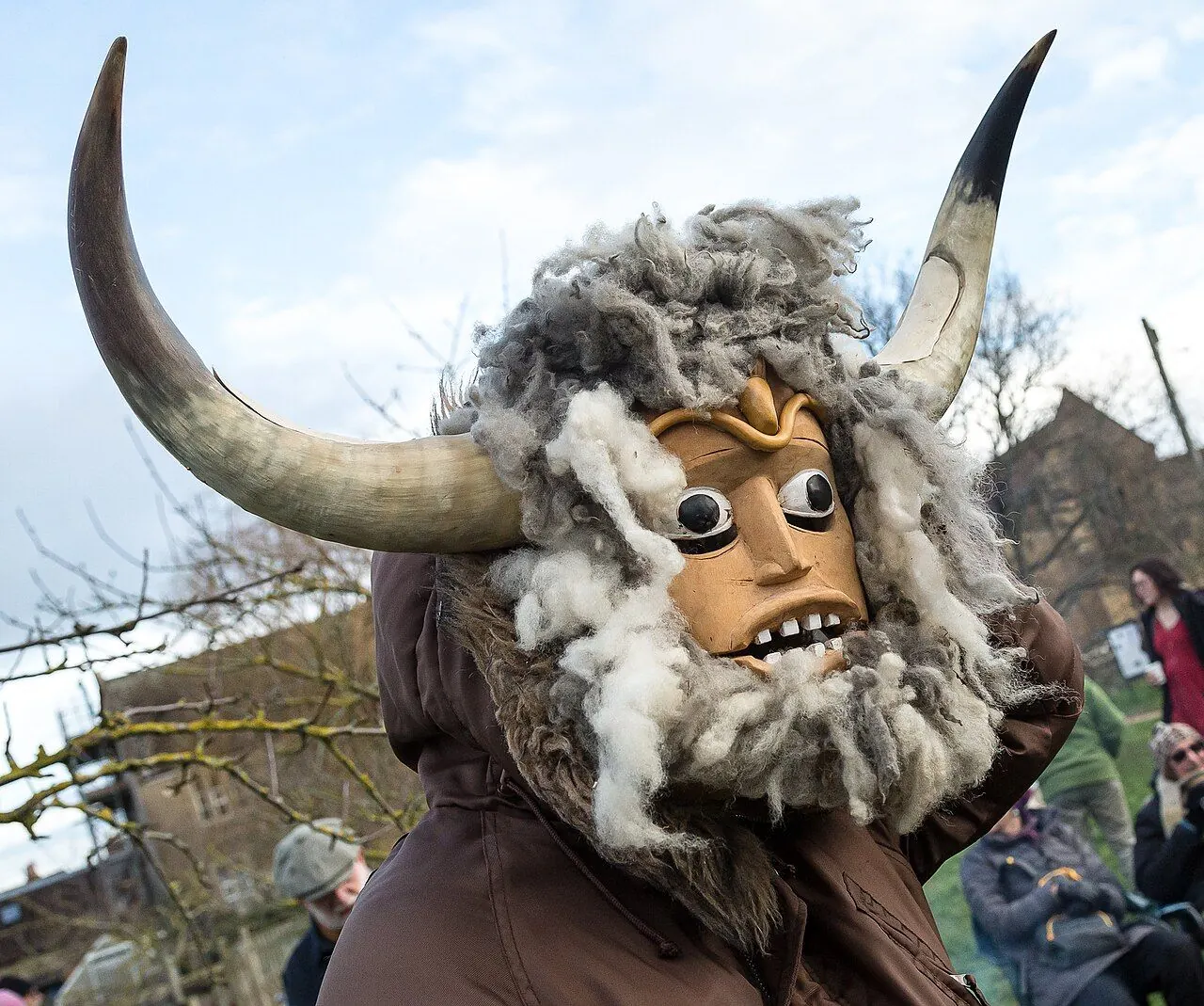
| Border | The region where England and Wales meet | Wildness, relative simplicity and energy; sticks, and often ragged "tatter" jackets and painted faces |
| North West | Cheshire and Lancashire | Processional dances, probably from the rushcart processions, often danced in clogs |
| Molly | East Anglia | A winter custom linked to Plough Monday, with little equipment and plenty of scope in costume |
Cotswold morris is the style many people think of when they imagine morris dancing. Historically each village had its own dances and way of performing them, which is why Cotswold dances are still grouped into village "traditions" such as Bampton or Headington Quarry. North West morris developed as a town tradition; each town would have one dance, and there were competitions during the 19th century. Molly dancing was performed by farm workers at the Christmas and Plough Monday season in the 19th century and died out by the Second World War before a revival from the 1970s.
A long history
The earliest known reference to morris dancing in England is a payment of seven shillings to "the Moryssh daunsers" in the accounts of the Goldsmiths' Company in London, for the St Dunstan's Day feast in 1448. At that stage it was probably a form of lavish entertainment for the wealthy. In 1507 the parish of Kingston upon Thames set up a team of morris dancers, one of the early signs of the dance spreading into communities across England, and by the mid 17th century working people were dancing morris, especially at Whitsun.
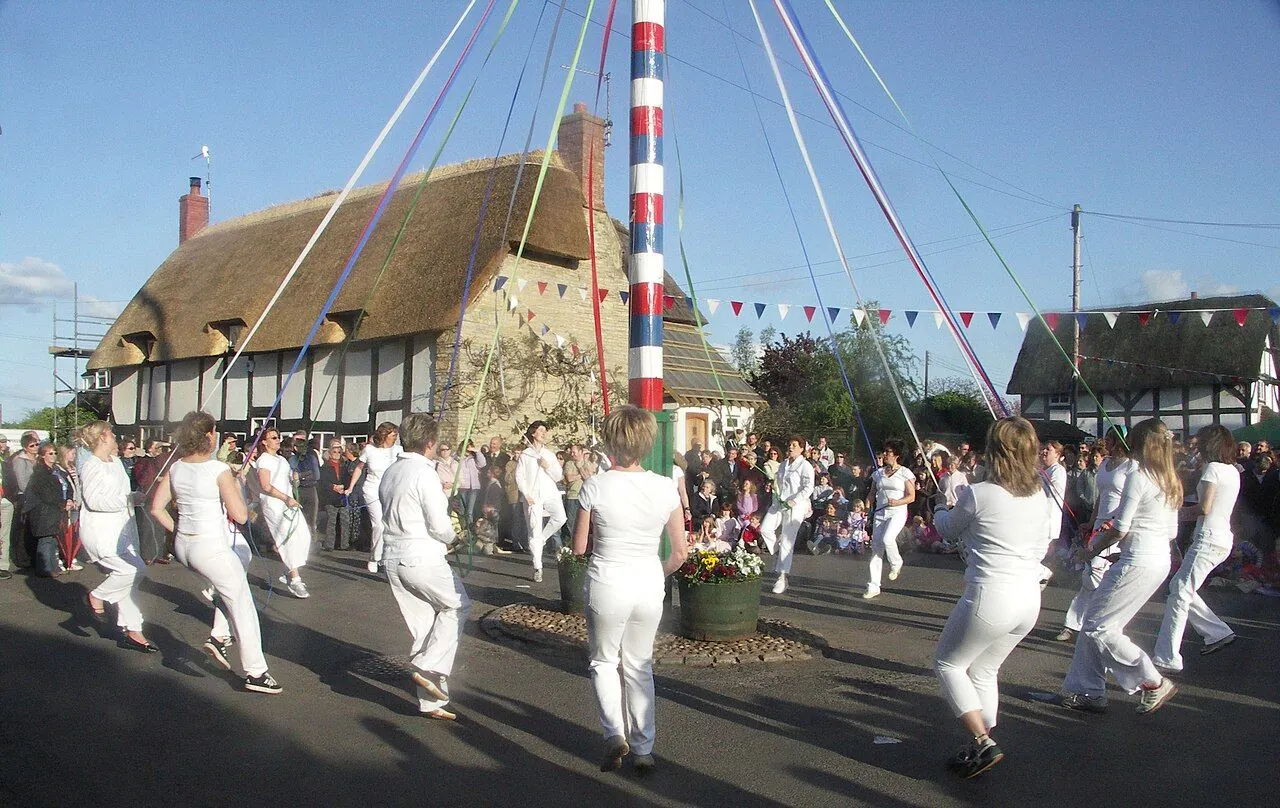
Traditionally, morris belongs to the seasonal calendar, above all May Day and the spring and summer festivals. Modern sides dance out through the summer at pubs, fetes and folk festivals, and usually practise indoors over the winter.
Who keeps morris alive
Three national organisations in the UK support morris and traditional dance teams, working together as the Joint Morris Organisations:
- The Morris Ring, formed in 1934 and now an association of around 160 clubs; in 2018 it voted to change its constitution to allow membership from sides of all genders.
- The Morris Federation, formed in 1975 as the Women's Morris Federation, opened to mixed sides in 1980 and to any side regardless of gender in 1982; it is an association of around 500 teams.
- Open Morris, started in 1979, an association of around 130 sides that positively encourages mixed as well as single-gender sides.
To watch morris, look out for May Day celebrations, summer evening tours and folk festivals, where sides often dance in the street. To join, the Morris Federation's Teamfinder, the Morris Ring's Sidefinder and Open Morris's list of member sides can point to a local team. Sides actively recruit, particularly when the practice season starts in the autumn, and generally teach newcomers from scratch.