Wassailing: An Old Custom
From a hot bowl carried door to door to toast hung in apple trees, the midwinter custom that drinks the health of people and orchards.

Wassailing is not one thing, but two linked winter customs: a tradition of going door to door with a bowl of hot drink and songs, and an orchard blessing meant to secure a good apple harvest. Both are wishes of good health for the new year, and both are usually kept around Twelfth Night.
What the word means
The word "wassail" is thought to come from the Old English "waes hael", "be thou in good health", according to the English Folk Dance and Song Society (EFDSS). The old greeting has given its name to the drink, to the custom and to the songs sung while wassailing. The drink itself is a hot mulled punch, often made from cider or apple juice; older recipes of warm spiced ale with roasted apple pulp floating on top went by the name "lambswool".
EFDSS dates the custom to Twelfth Night (5 January) or Old Twelfth Night (17 January). The second date is a survival of the calendar used before 1752, and some villages still prefer it. The National Trust describes wassailing as a Twelfth Night tradition with pagan roots that has been practised in Britain for centuries.
Two customs: the bowl and the orchard
In the house-visiting wassail, a group would make up a bowl of wassail and carry it from house to house, singing and drinking to the health of each household. Wassail songs usually describe exactly that: visiting people in the community, the drink, the bowl and the toasted bread that went with it. The best-known today include "Here We Come A-Wassailing", "The Gloucestershire Wassail" and the "Apple Tree Wassail"; folk-song indexers file all wassail songs under a single Roud number, 209.
The orchard wassail is the one most people now picture. Revellers process to an orchard or to one chosen tree, sing to it, drink its health and make a hullabaloo, traditionally by banging pots and pans. The National Trust explains the purpose as encouraging the spirits into ensuring a good harvest the following season, and warding off bad spirits from the orchard. Pieces of toast soaked in cider are placed in the branches; at some events they are described as gifts for the robins.
Where the custom is still kept
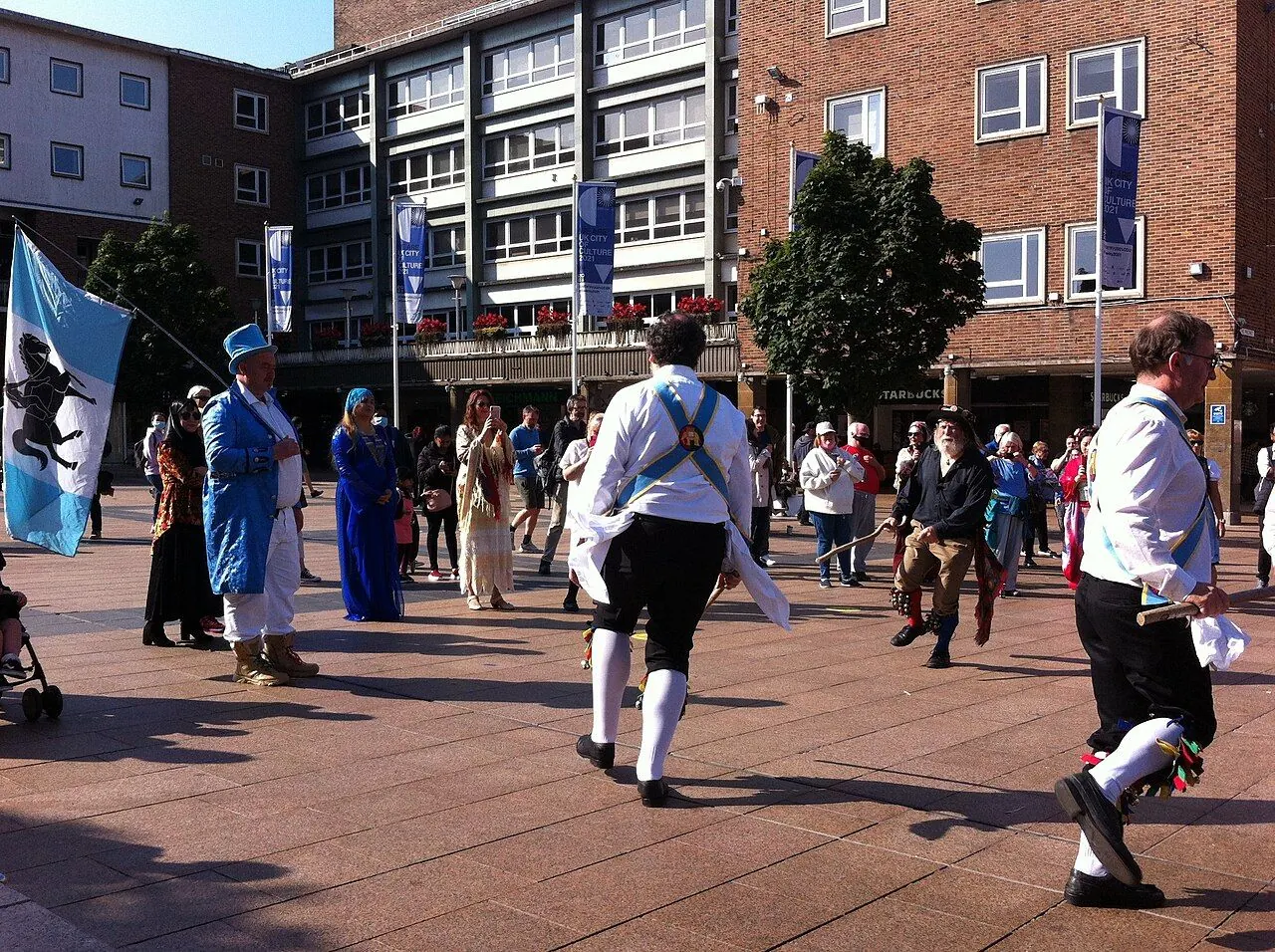
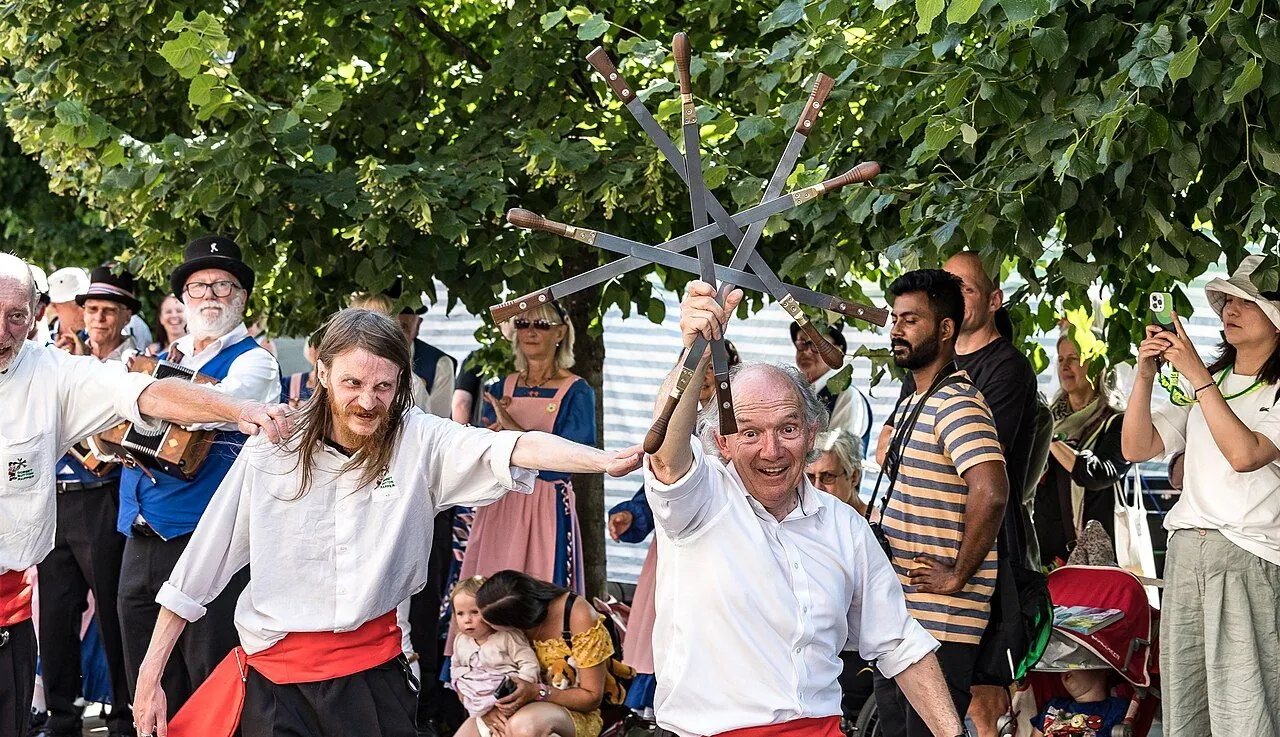
Wassailing survives most strongly where fruit is grown. EFDSS singles out the south-west of England for orchard wassails, and the National Trust notes that the custom is still kept throughout Britain in areas where apples and pears are grown, which makes cider country in Somerset, Devon, Herefordshire and Gloucestershire its natural home. Community orchards, cider makers, folk clubs and morris sides also hold wassails elsewhere, and several National Trust properties, including Cotehele in Cornwall, Lyveden in Northamptonshire and Morden Hall Park in London, have hosted them.
Anyone going to a wassail for the first time can expect a short procession, songs with easy choruses, a shared drink and a lot of noise in a cold, dark orchard. Warm layers, boots and a torch help. Dates, times and any charges vary from place to place, so check the host's own page before travelling.