Whitby Folk Week Guide
Born as a weekend of folk music in 1965, Whitby's August festival now fills the town with song, sessions, ceilidhs and dancing for a week.
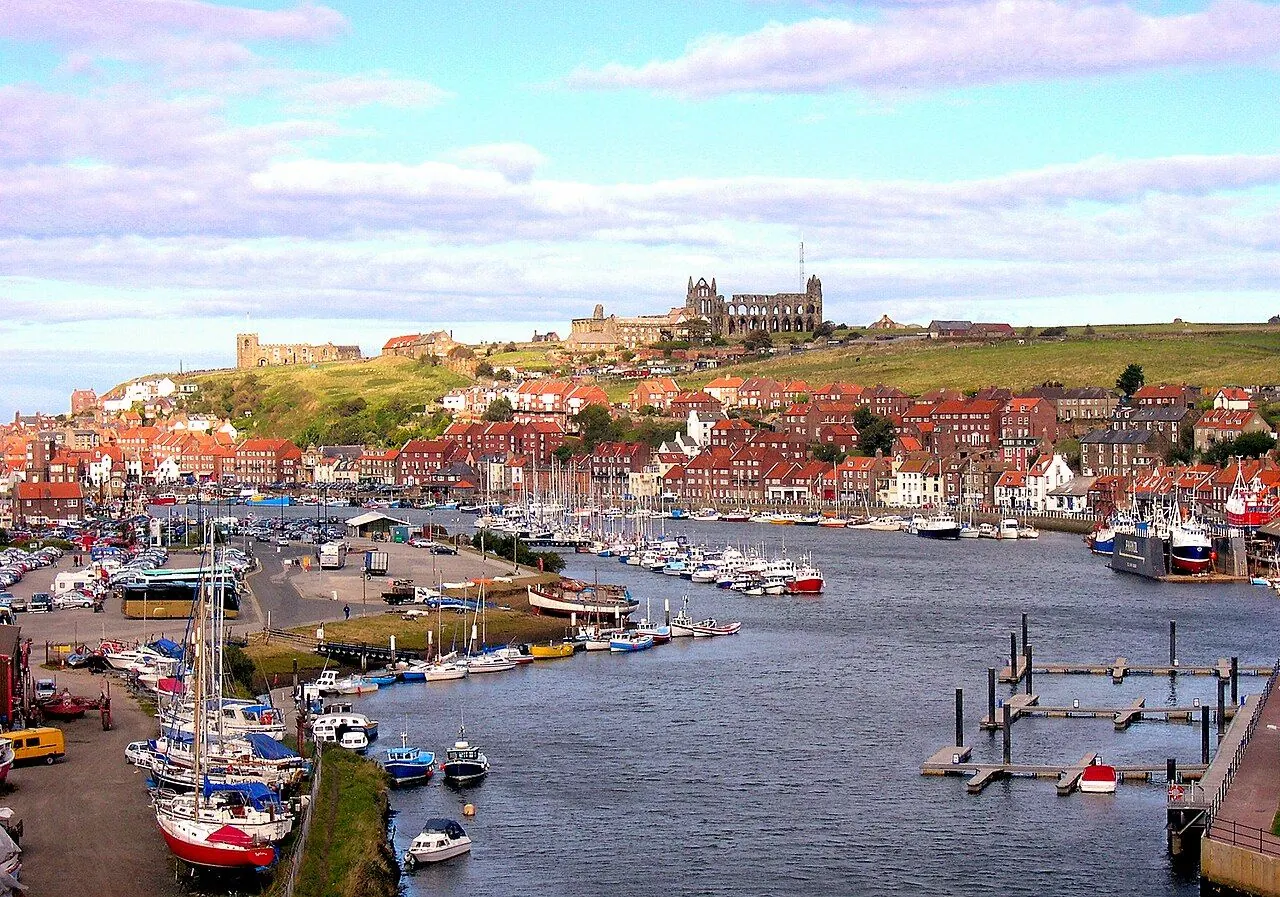
Whitby Folk Week is a festival of British traditional song, dance, music and storytelling, held every August in the fishing town of Whitby on the North Yorkshire coast, in the week leading up to the weekend of the late-August bank holiday. For a first-timer, the essentials are a town-wide programme, hundreds of events, and accommodation that needs booking well ahead.
Where It All Began
Folk festivals have been a staple of Whitby's summer calendar since 1965. According to the English Folk Dance and Song Society, the early festivals were weekend events organised through the society's North East representative, with the Mission to Seamen as the main venue. The festival grew through the 1970s, and in 1981 Whitby Folk Week was born, turning the weekend into a Saturday-to-Friday festival. The EFDSS stepped back from running it in the mid-1980s, and the festival has since been run independently.
What to Expect
Over the course of the week, Whitby Folk Week offers a packed programme of music, dance and song. The official site lists daily concerts, talks, interviews and presentations across venues in the town, with ceilidhs and dances every evening at Whitby Pavilion. Music, song, shanty and ballad sessions run daily for both experienced and novice participants, and a Music and Craft Fair runs through the week.
Dance is everywhere. Teams give daily dance displays around the town, and parades mark the opening Saturday and the closing Friday. For those keen to get involved, there are workshops in singing, instruments and dance, some of them progressive series that build through the week, so it pays to study the official programme early.
Staying in Whitby
For a town-wide event, accommodation can fill up quickly during Whitby Folk Week. The official festival campsite is at Airy Hill School on Waterstead Lane, and it is primarily for week-long ticket holders, with any remaining space offered later to day ticket holders buying two or more consecutive days. The festival office points visitors who prefer a roof to local bed and breakfasts, hotels, pubs and self-catering, all booked independently and in advance.
The souvenir programme and events listing are issued with week-long tickets, and a week ticket gives entry to all Folk Week events, provided there is room in the venue on arrival. Popular concerts can fill, so arriving early for the events that matter most is sensible.
For anyone attending Whitby Folk Week for the first time, the key message is to plan ahead and use the official website, whitbyfolk.co.uk, for dates, tickets, the programme and camping rules, which can change from year to year. Book a bed early, bring comfortable shoes for Whitby's steep streets and steps, and leave time simply to wander between sessions and dance spots.