North York Moors Highlights
Heather moorland, a wild coast, Cistercian ruins and a steam railway make the North York Moors National Park an easy place to plan a first visit.
A first trip to the North York Moors can take in purple heather moorland, a stretch of wild coast, abbey ruins, a heritage steam railway and small stone-built market towns. The park rewards a mix of all of these rather than one single must-see, and first-time visitors should check current access information and opening times before their trip.
Heather, Moorland and Dark Skies
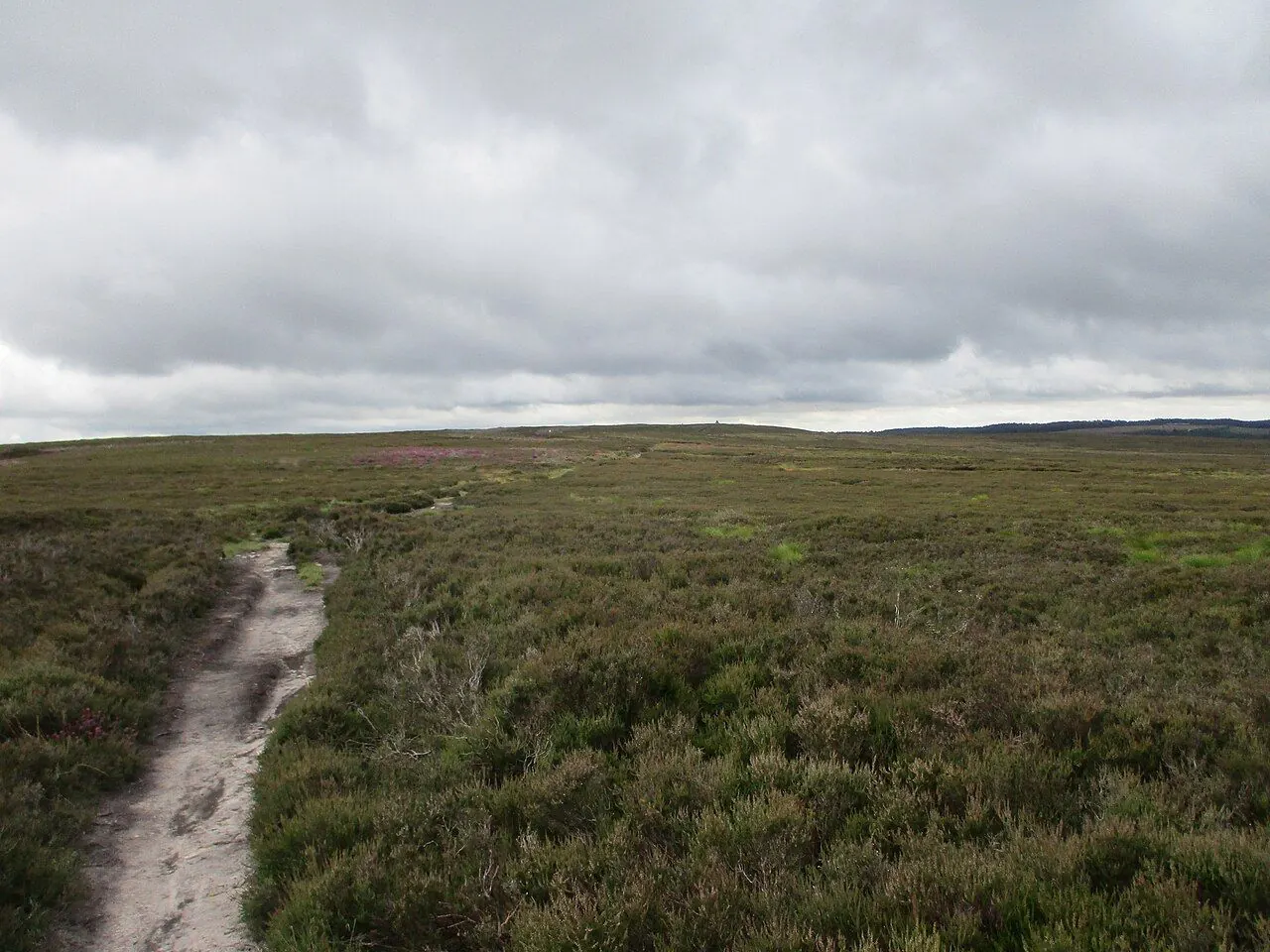
The North York Moors was designated a National Park on 28 November 1952. Its signature landscape is heather moorland: the park holds one of the largest expanses of upland heather moorland in England and Wales, and around 44,000 hectares of it is designated a Site of Special Scientific Interest for its heathland and breeding birds. Three kinds of heather grow here, and the great purple bloom usually runs from mid-August into September.
The park is also a place for the night sky. In December 2020 the North York Moors, together with the neighbouring Yorkshire Dales, was designated an International Dark Sky Reserve. Sutton Bank, on the western edge of the park, is one of the best-known spots for stargazing, and dark-sky events are held across the park.
Towns, Villages and the Coast
The market towns of Helmsley and Pickering make good bases on the southern edge, with shops, pubs and places to stay. Hutton-le-Hole, with its green and beck, is home to Ryedale Folk Museum. Goathland, a stop on the steam railway, is known to television viewers as Aidensfield in the series Heartbeat. Danby sits in the Esk Valley in the north of the park.
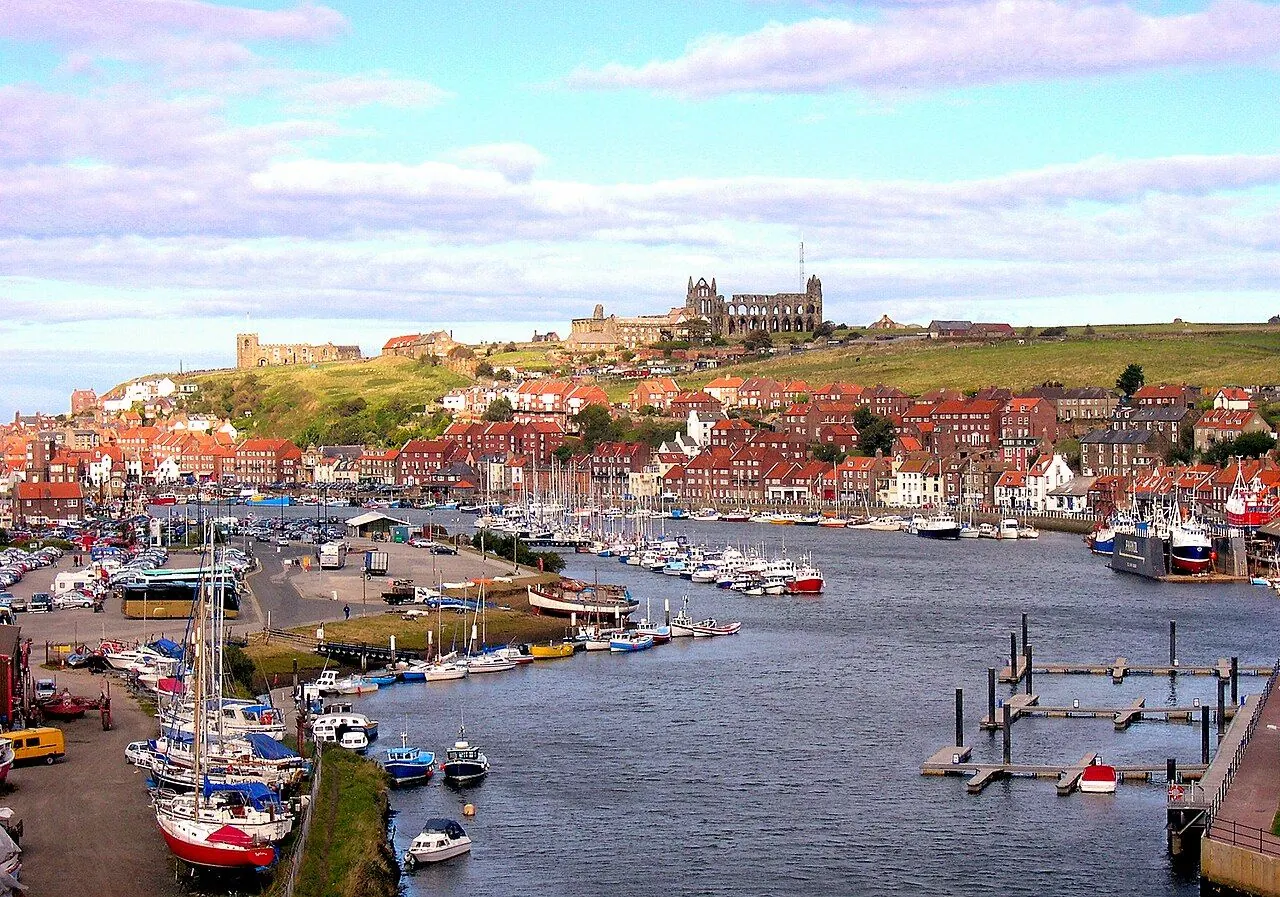
The park also takes in a stretch of the North Sea coast. Robin Hood's Bay is a classic former fishing village of steep lanes and tightly packed cottages, and Whitby, just outside the park boundary, is the natural gateway to the northern moors and coast.
Abbeys, Castles and the Railway
History is never far away. Rievaulx Abbey, near Helmsley, was founded in 1132 and was the first Cistercian abbey established in the north of England. Whitby Abbey stands on the site of a monastery founded around 657 by Hild; the headland later inspired scenes in Bram Stoker's Dracula. Helmsley Castle sits at the edge of the town. All three are cared for by English Heritage, which publishes current opening times and admission details on its website.
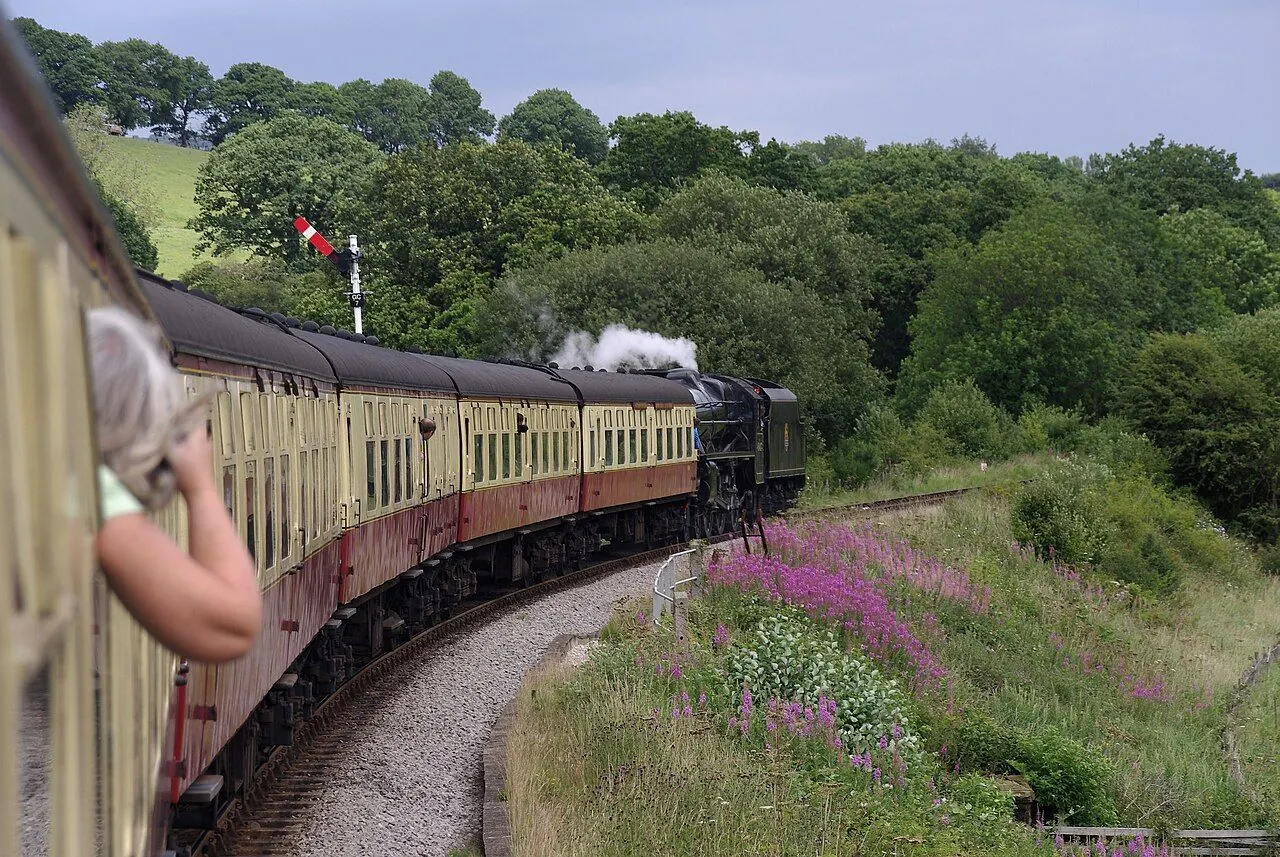
The North Yorkshire Moors Railway runs heritage steam and diesel trains between Pickering and Grosmont, calling at Levisham and Goathland, with services continuing to Whitby over the Esk Valley line. It is one of the easiest ways to see the moors without a car.
First-timers should start at one of the park's two National Park Centres, at Sutton Bank and at Danby, which provide visitor information, maps and advice on walks and cycle rides for all abilities. For getting around, the Esk Valley line and local buses serve parts of the park, but routes and timetables change: check the National Park Authority, the railway and each attraction's official site before setting out.