Ryedale Folk Museum Guide
Thatched cruck houses, a Rosedale glass furnace and old village workshops tell 4,000 years of moorland life in one of Yorkshire's open-air museums.
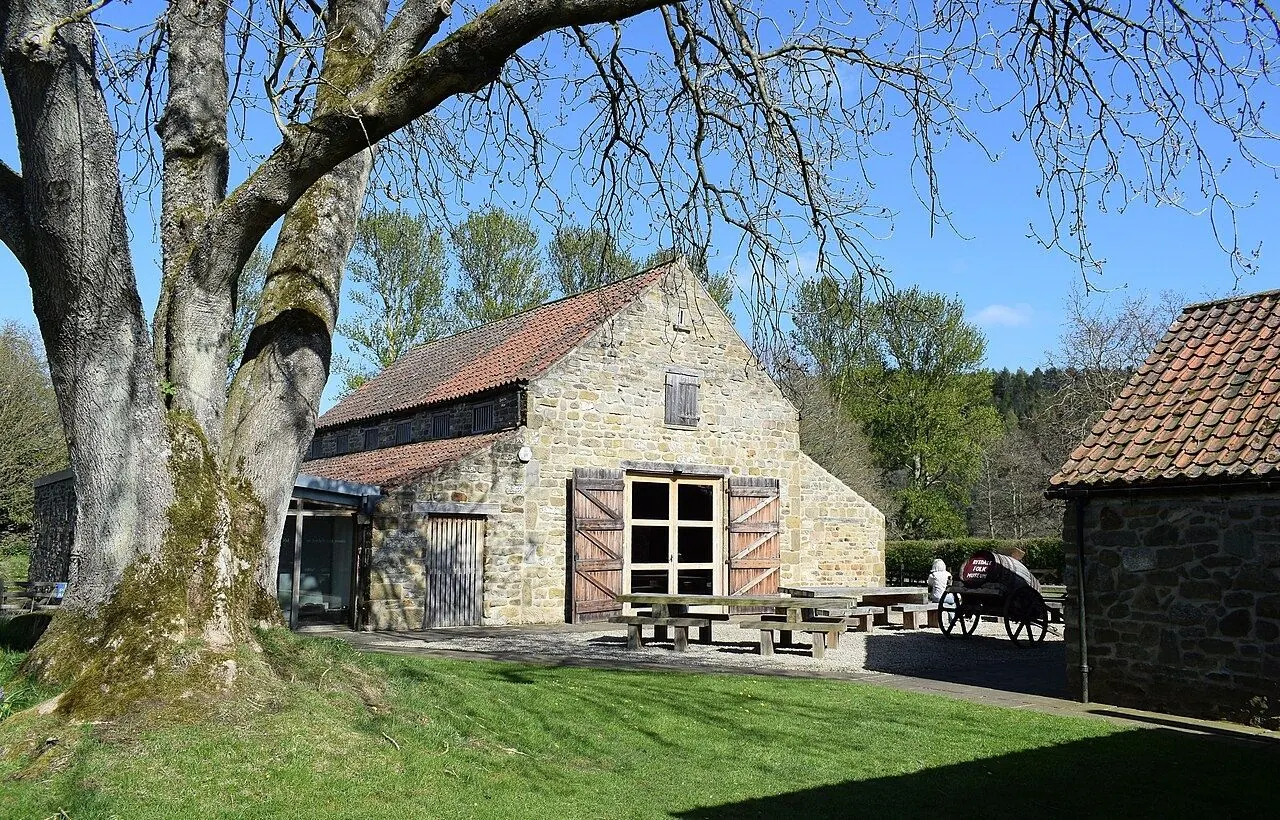
Ryedale Folk Museum is an open-air museum in the village of Hutton-le-Hole, in the North York Moors, holding 40,000 objects within more than twenty heritage buildings set in over six acres. It tells the story of everyday life on the moors across 4,000 years, and it makes an easy family day out in Ryedale.
How the Museum Began
The museum grew from the collections of local historian Wilfred Crosland and his friend Bertram Frank, who gathered objects of social and folk history from the moors to preserve the stories of ordinary people. It first opened in three rooms in August 1963. However, its official foundation is considered 28 March 1964, the start of its first proper season, after an adjoining barn was cleared to make room for more displays. Since then the museum has grown to encompass a vast collection of objects and rescued buildings, all dedicated to preserving the region's past.
Buildings and Collections
The largest building is a thatched manor house from Harome, relocated to the museum in the 1960s and 1970s, with colossal crucks rising to the roof. Stang End, a thatched cruck-framed cottage, stood in Danby for around five hundred years before it was moved here. Other buildings include a glass furnace from Rosedale, a Victorian thatched cottage from Harome with its washhouse and dairy, a medieval crofter's cottage reconstructed from archaeological evidence, and a roundhouse built to represent an Iron Age dwelling.
Rural trades and shops are a highlight. Visitors can look into the blacksmith's forge and workshops for the cobbler, wheelwright, tinsmith, cooper, saddler and carpenter, alongside a chemist's shop from Helmsley, a 1950s shop and post office from Rosedale East, and an Edwardian photographic studio set up in 1902. A new exhibition opens in the High Barn each year, and rare-breed pigs, sheep and chickens live in the farming area.
Hutton-le-Hole and Around
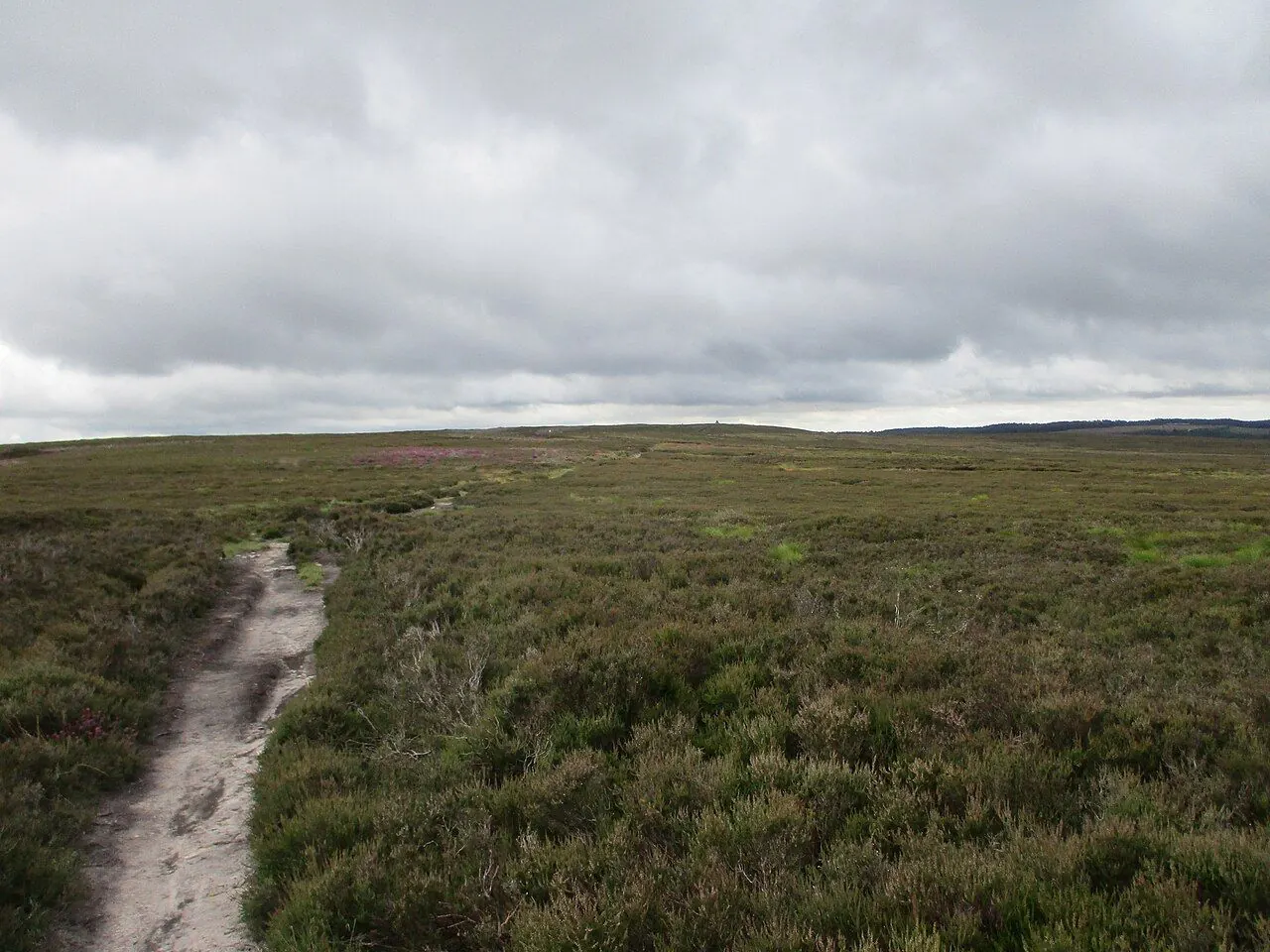
Hutton-le-Hole itself is one of the prettiest villages in the National Park, with stone cottages around a broad green crossed by a beck, where sheep graze freely. The museum sits at the heart of the village, and a visit combines well with walks on the surrounding moorland, or, in spring, with the daffodil walk in neighbouring Farndale, which starts from Low Mill a few miles to the north-east.
Opening days and hours are seasonal and change from year to year, and the museum is not open every day of the week. To plan a visit, check the museum's official website, ryedalefolkmuseum.co.uk, for current opening times, admission and events before setting out, and allow a few hours to explore the buildings and grounds.